
Mara Vance
Character Designer · Vancouver, Canada
Twelve years in animation, three feature films, and a sketchbook habit she describes as “non‑negotiable”.
10 pieces
Chosen by the artist for this issue
10 pieces selected by the artist. Click any image to open the gallery. All artwork © the artist, shown with permission.
“The silhouette has to survive being switched off”
Twelve years designing characters for animation, and Mara Vance still starts every job the same way — thumbnails the size of a postage stamp, drawn small enough that she cannot cheat.
 Interview by Scott Harris
The toolkit
- SoftwarePhotoshop for design, Procreate for thumbnails, Blender for rough blocking
- HardwareWacom Cintiq 16 and an iPad Pro that never leaves the bag
- BrushesThree. All variations of the same chalk brush
- SketchbookA5 hardback, roughly one a month, numbered on the spine
- ReferenceA tagged drive of costume photography, plus the museum on Tuesdays
Three things Mara would tell a beginner
- Thumbnail smaller than feels sensible — it stops you decorating.
- Fix silhouettes, not details. Details never rescue a flat shape.
- Keep the bad pages. They are the only honest record of your progress.
- Draw the thing you avoid — your work has a hole exactly that shape.
More from ArtSketch
All interviews →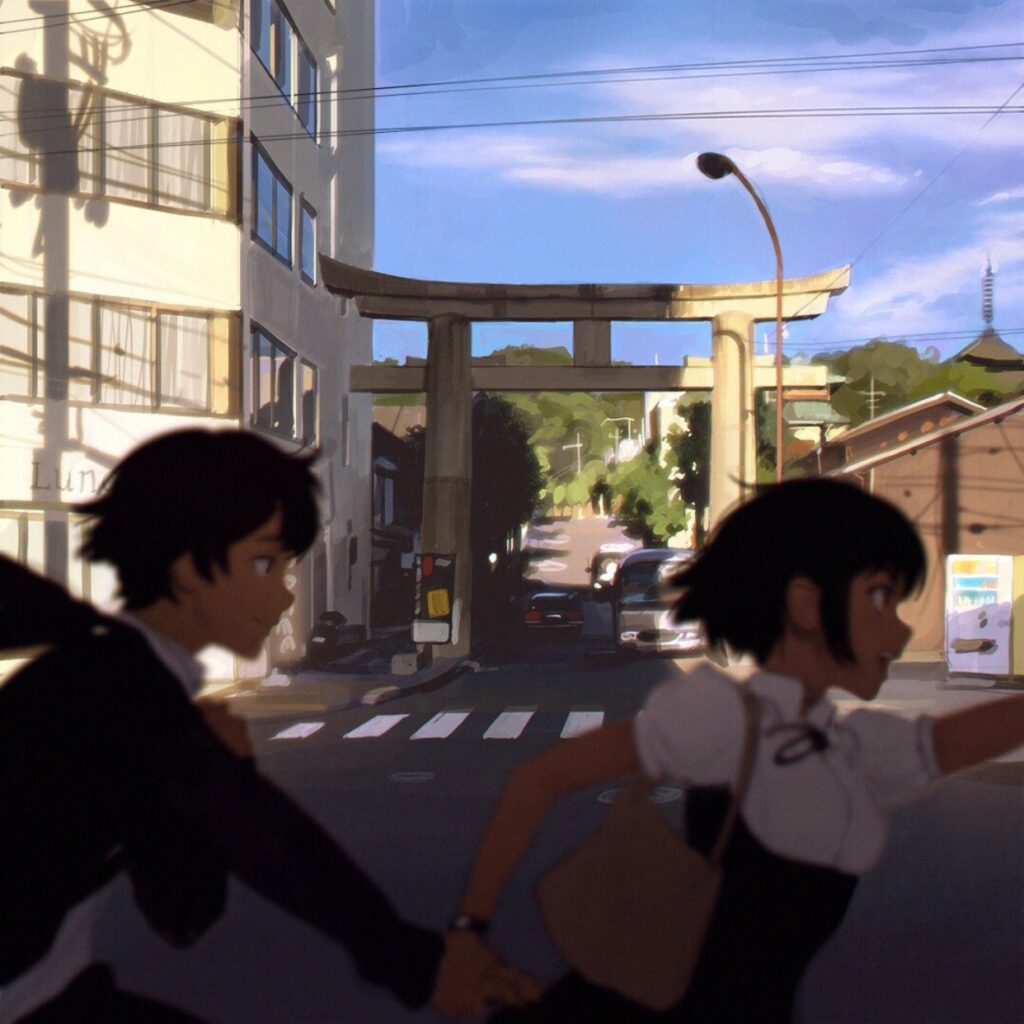 Character Design
“Limitations are always the beginning of creativity”
Ilya Kuvshinov
Born and raised in Russia, resident in Japan: the character designer behind Ghost in the Shell: SAC_2045 and The Wonderland on art school, online fame, and why limitations start creativity.
Character Design
“Limitations are always the beginning of creativity”
Ilya Kuvshinov
Born and raised in Russia, resident in Japan: the character designer behind Ghost in the Shell: SAC_2045 and The Wonderland on art school, online fame, and why limitations start creativity.
 Manga & Anime
“I draw the panel before I draw the face”
Yui Nakamura
On storyboarding a page like a scene, why she inks with a brush pen she has been sharpening for nine years, and the year she drew nothing but hands.
Manga & Anime
“I draw the panel before I draw the face”
Yui Nakamura
On storyboarding a page like a scene, why she inks with a brush pen she has been sharpening for nine years, and the year she drew nothing but hands.
 Concept Art
“Every creature starts as a bad photograph”
Kofi Adeyemi
Building believable anatomy out of animals nobody recognises, and the reference library he has been quietly assembling since art school.
Concept Art
“Every creature starts as a bad photograph”
Kofi Adeyemi
Building believable anatomy out of animals nobody recognises, and the reference library he has been quietly assembling since art school.
Learn the fundamentals underneath work like this
Character ArtSketch is published by Character Art School. The same construction, gesture and design principles the artists here talk about are taught, step by step, inside the school.