Illustration

Artist Interview: Warren Louw

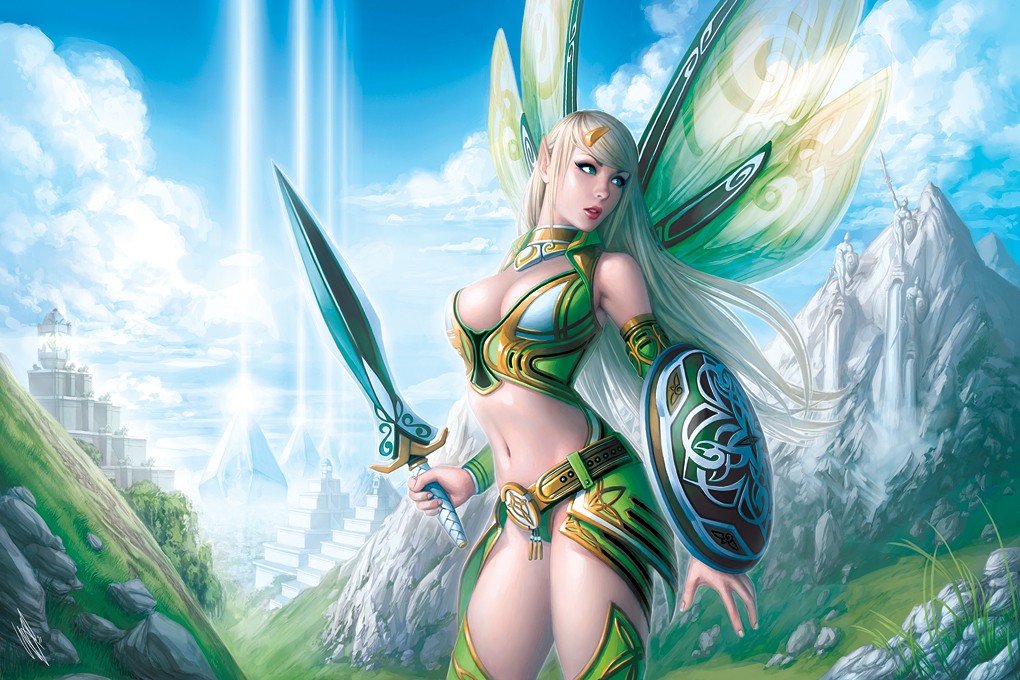
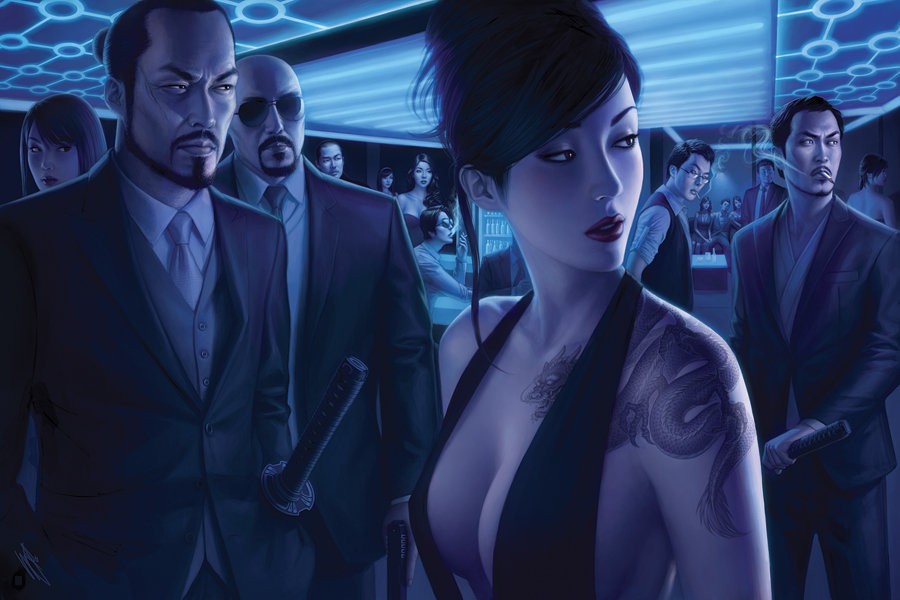
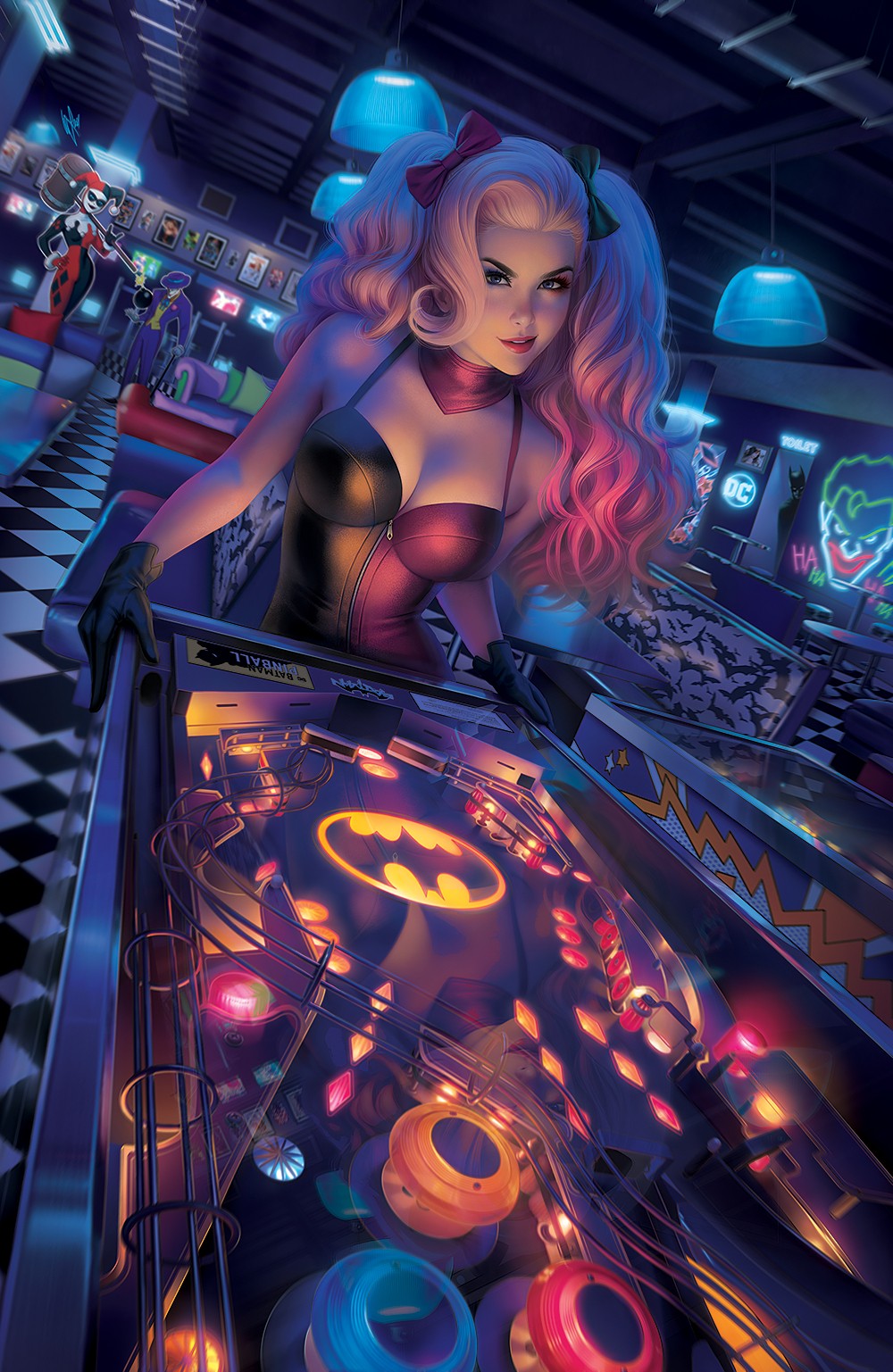
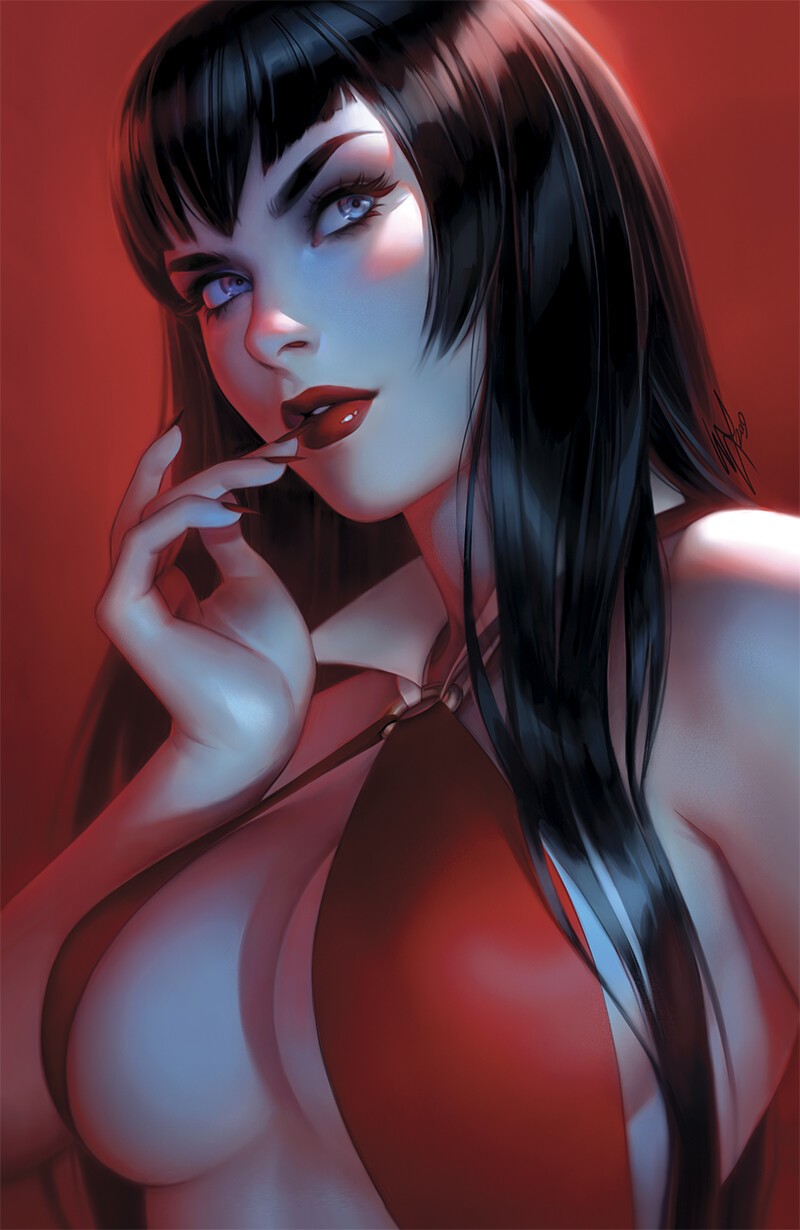
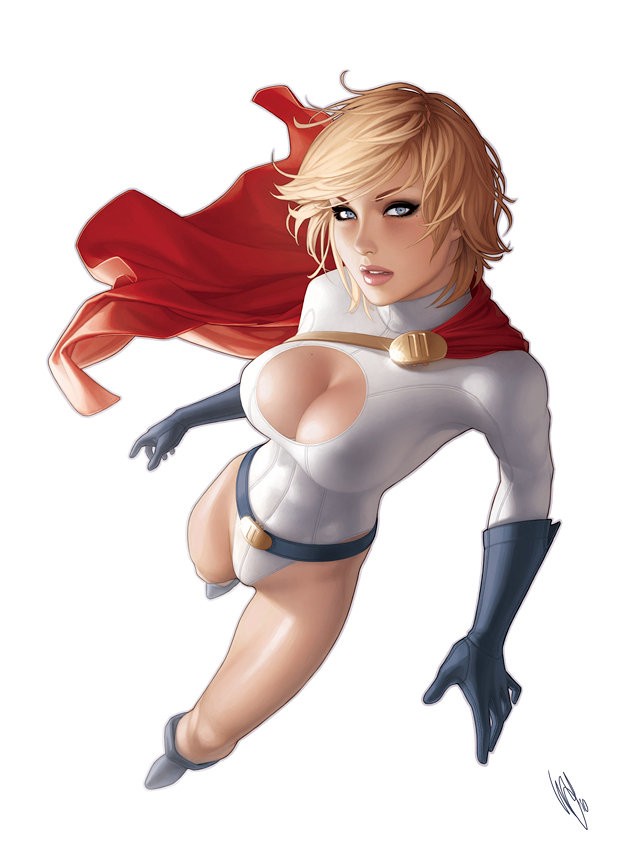
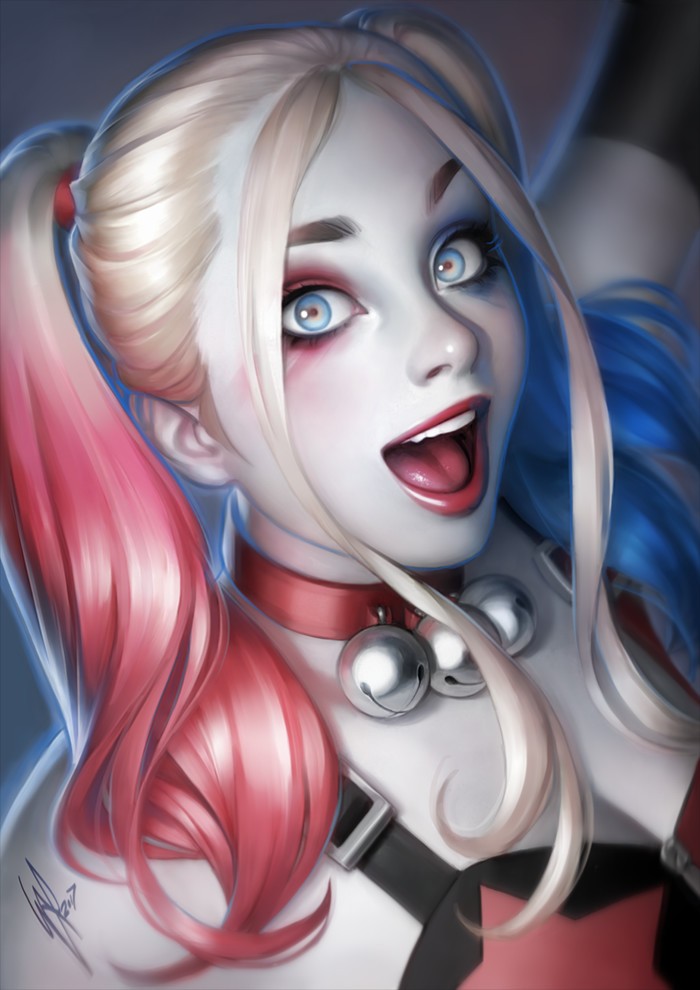
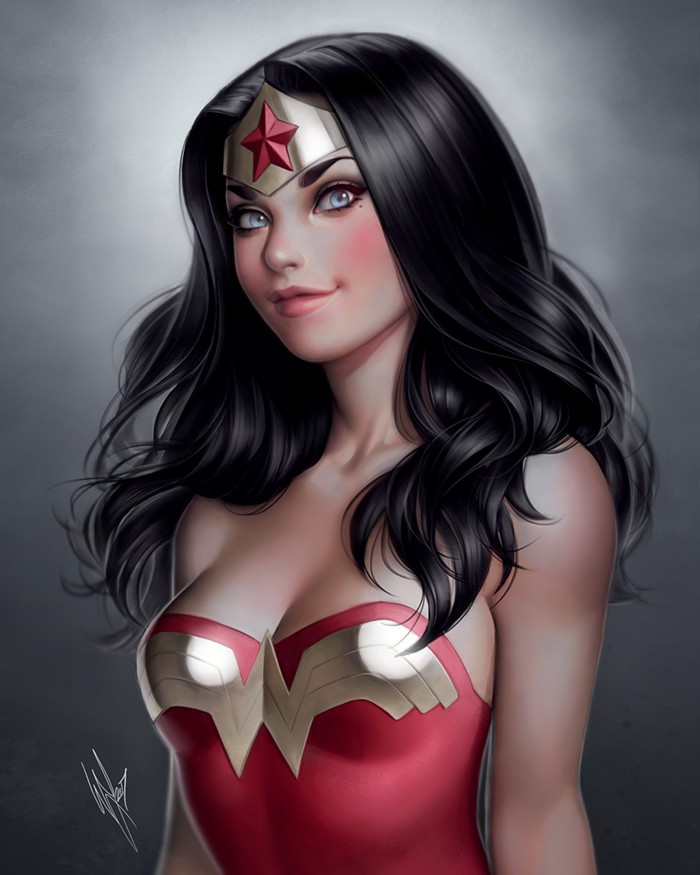
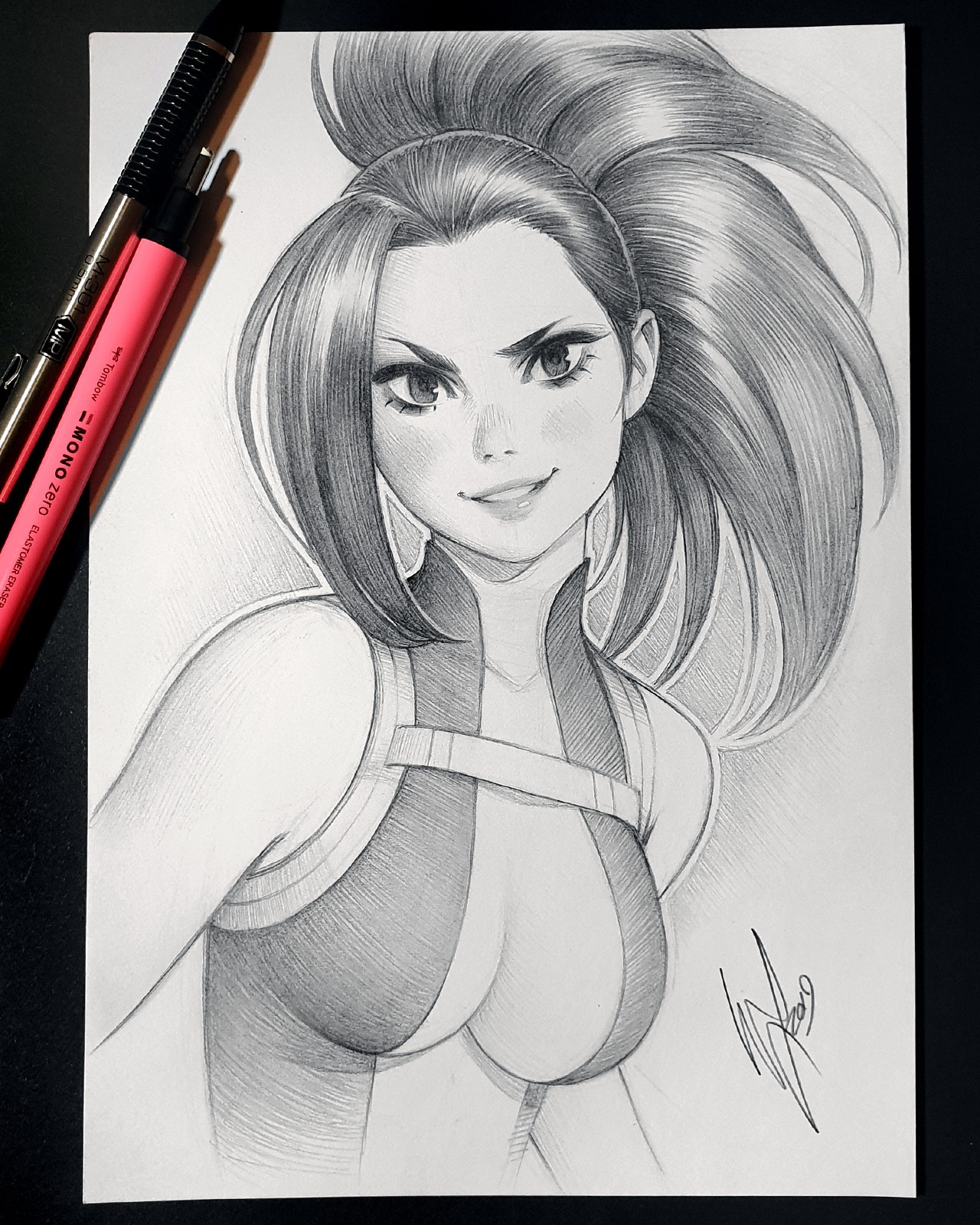
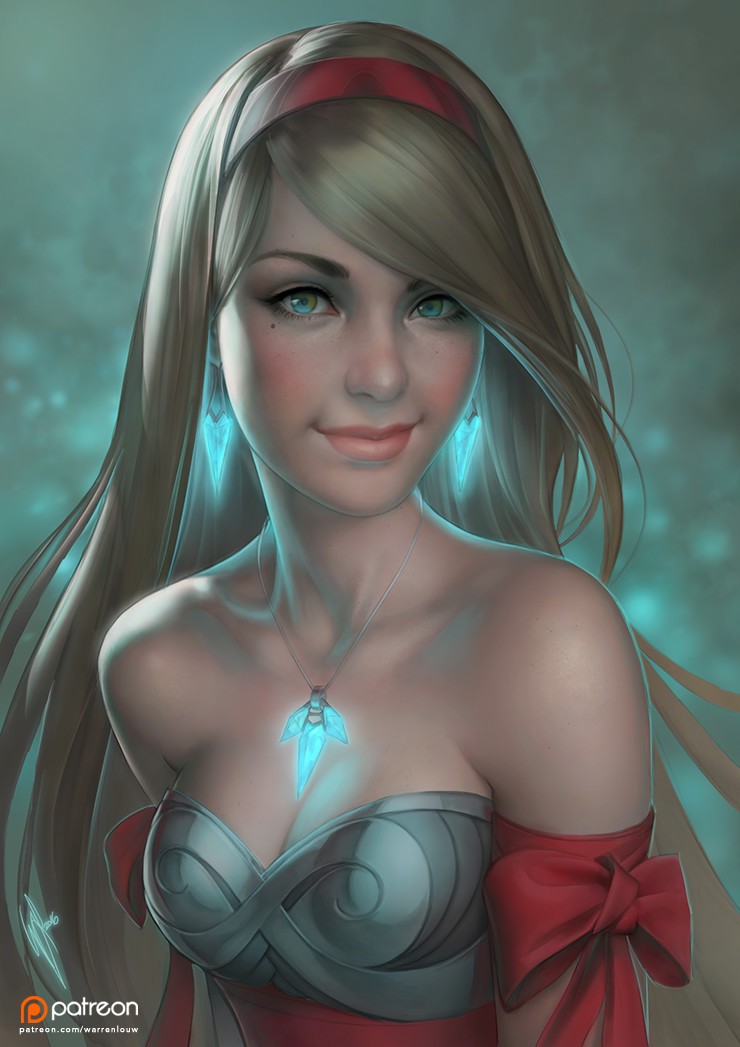
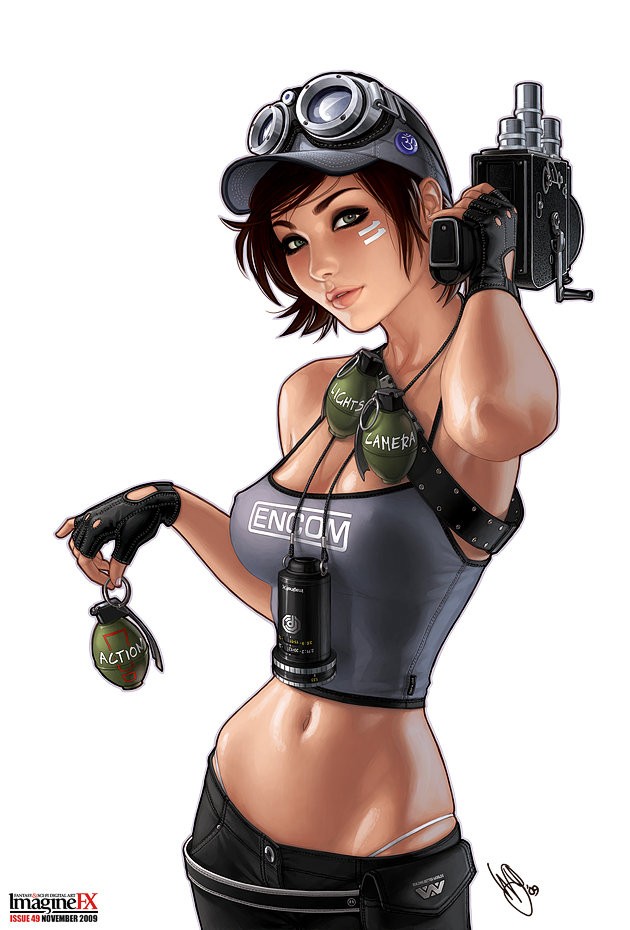
We recently had the opportunity to speak with Warren Louw, renowned South African digital artist. Talented in rendering beautiful imagery of the female form, Warren has an eye for extreme detail and polish. His works have graced the pages of ImagineFX, DC’s PowerGirl, as well as Udon Crew artbooks. Amongst his accomplishments, Warren’s art can also be seen in major promotional materials, such as the mascot for games retailer AWX, as well as the mascot for the South African video games and technology convention “Rage”. Read on to find out more about this talented digital artist.

Hi there Warren, welcome to ArtSketch.org, we’re glad to have you here! How’s life right now?

Thanks! Life is good and moving forward as always =) Work is pretty hectic right now, but Im managing, so its all good.

You’ve been a well known digital artist for many years, how did it all begin, and when did you realise you wanted to do this as a career?

It was Final Fantasy 8 that really revved up my creative engines in my younger years. I fell in love with the characters and their designs, and from there I wanted to become a character designer for video games. Later, comics started to influence my work, and it only evolved further as I discovered more of the great talent from across North America and Asia. Not only did I want to become a character designer/character illustrator, but I loved the idea of becoming a cover artist. Artsketch : Your artwork has a unique and recognisable style – who or what inspires you to create?

Warren: Well, I’ve always been inspired by real life beauty, so from there, I found myself attracted to the work of Tetsuya Nomura, J. Scott Campbell, Hyung-Tae Kim, Takuji Kawano, Range Murata, Shunya Yamashita, Gil Elvgren and Adam Hughes and their interpretation of it. Having studied their work, I also found myself introducing my own personal touches from what I felt needed to be concentrated on more, while consciously moved towards developing a style that was my own.

You’ve been noted as being a perfectionist in your works – what drives you to render to such a high level of polish?

Its just great fun. I enjoy setting challenging goals for myself and working towards achieving them, while pushing myself to new heights on a constant basis.

How would you describe you general day-to-day workflow when creating art?

Firstly I gotta be inspired by something to want to really be passionately obsessed with what Im about to create. I then start looking for a bunch of reference and put together a collage of images that I feel will influence my approach in one way or another. I generally focus on working on a single rough concept that I refine until Im perfectly happy with it to take further. These days I mostly just paint over the sketch and keep at working on all aspects of the artwork at once – advancing the lighting and contrasts Im after, finding the best combination of colours, and tweak the pose, colours and design to achieve the best balance I can. I really am working to a point where everything can work together in harmony for my eyes to be happy with it. At times it can be extremely frustrating seeing that things arent quite right and then struggling to figure out what I need to do about it. Creating the art that I do can sometimes really be like solving a very complex Chinese puzzle… So it really can take time and patience.

What are your thoughts on reference? What tips would you give for the up and coming digital artist on using reference correctly?

Reference plays a key role! We need to remember that it was something that the old masters used frequently, so its definitely something we need to pay a lil more attention to. If you are going to copy something directly, let that be from your own original references. Copying the work of others does serve as great practice, but should be kept only as practice! Back in my early-mid teen years, all I ever did was copy for the fun of it, and I learned plenty from it. So, for the purpose of training, Its something I’ll highly recommend. If you are going to reference the work of others, use it to harness inspiration from for certain aspects you are after, and use it as rough guidelines.

You’re an advocate of self-belief, tell us more about that, and how it helps you in your artwork?

Well its pretty simple. Those who have it, succeed, and those who don’t, just don’t, until they start to develop that self-belief. That self believe is a determined state of mind unified with an empowered feeling that you can do whatever you put your mind to. You can also simply call it confidence, and we all know how far confidence can take us.

Ever since I was very young and rather… untalented, Ive always had a very stubborn determination about succeeding with art no matter what. Having that kind of attitude really did accellerate the rate at which I improved. Whenever Id find my confidence slowly drifting to sleep (by getting annoyed or frustrated with an artwork), everything would just get worse. I would often have to force myself to take breaks to release the frustration/self doubt, and I found that to be a valuable key in finding the solutions I needed. I then later realised that being negative was at the core of what really gets in the way of our success in life. Artists in general can often be over critical of themselves in more of a negative way than anything else, so the weight of their own expectations from such a view point can become a serious self-imposed obstacle.

Living on this planet, its no doubt that we are bombarded with a massive dose of negativity, so its easy to get tangled in the dark side with self-doubt and all the stresses that come with it. Self-doubt causes us to lose our sence of power, which is exactly where it all starts to go very wrong. At the end of the day, its really all in the mind, so its all just a mental conflict within that needs to be overcome by realising the role our thoughts have over our lives.

Ever wonder why sometimes “less” talented individuals somehow become more successful than some of the “more” talented? This is just a matter of their self-belief. As the Buddha once said, “All that we are is a result of what we have thought. The mind is everything. What we think we become.” and those very thoughts need to be felt as though they have already become a reality, before its reflected back to us. Many of us have a natural instinc about this, while others have a harder time finding their way. We just need to re-evaluate whether our thoughts and beliefs are working for us, or against us. Its not even about being positive to live a positive life, its just about not being so negative about it, and you’ll naturally be taken with the flow.

You want your art to speak for itself.

Warren Louw

You seem to favour illustrating the human form over environments or hardware, would you call yourself primarily a character illustrator?

Nah, I just enjoy focusing on illustrating girls above above all else. In my younger years, I focused a lot on illustrating environments, cars, and random objects, which helped give me a basis to be able to draw anything. As an illustrator in SA, you need to be very versatile in what you can create to get work, so knowing how to draw anything at all is vital.

What are your primary tools when creating art?

An eager mind and these days being totally digital, I stick to Photoshop on my 24″ iMac with my A4 Wacom Intuos 3.

What tips or advice do you have for artists wanting to gain more exposure, or market themselves better in the digital art industry?

Well I can really only say from my own personal experience for exposure internationally, which is (all coupled with self belief), to develop of very strong portfolio. You want your art to speak for itself. So only showcase the best of what you have to offer and just keep on finding ways to constantly improve the quality of your work. I found that all I needed was just a few online galleries (CGSociety, Deviantart and CG-Hub), and that was enough to be noticed by the big guys. I was contacted by Imagine FX, DC comics, Udon Comics, etc, all through those accounts. As for local exposure, the best thing I can recommend is to make an appointment to drop your portfolio off (make sure it shows how versitile you are) with art directors at advertising agencies in your area. Make sure to also become a part of the Artist Alley at the annual rAge convention. Its a great place to expose your work, make contacts and to make a lil cash selling prints while you’re at it. Also, be patient. Building a name for yourself and having it spread throughout the industry will take some time, so just keep with it.

What artwork or projects can we look forward to from you in the future?

A load of super heroes and a few characters finally with backgrounds =D Im currently working on a super hero range for a local company here, Transman, and am also busy with a few medieval inspired characters for Phoenix Age (social gaming company based in Los Angeles). Aside from those current projects, Be sure to expect more DC covers in the future.

Thanks for your time Warren, it’s been great speaking with you, and we look forward to catching up in the future!

Its a real pleasure =) Thanks for the opportunity to do this with you guys. I wish you all the very best!

Three things Warren would tell a beginner

  • Reference is not cheating — the old masters leaned on it. But if you are going to copy directly, copy from references you shot yourself.
  • Copying other artists is practice, and it has to stay practice.
  • Show only your best. A few strong galleries beat a large portfolio, because you want the art to speak for itself.
Character Art School

Learn the fundamentals underneath work like this

Character ArtSketch is published by Character Art School. The same construction, gesture and design principles the artists here talk about are taught, step by step, inside the school.

See the membership Back to ArtSketch